Dr. Amara Chen
Pacific Reef Restoration Lead
Three years ago, Dr. Amara Chen and her team from TIDE's Pacific division knelt on the sandy floor of the Coral Sea and pressed fragile coral fragments into newly installed anchors. The reef around them was silent — bleached white, a ghost of its former self after back-to-back marine heatwaves.
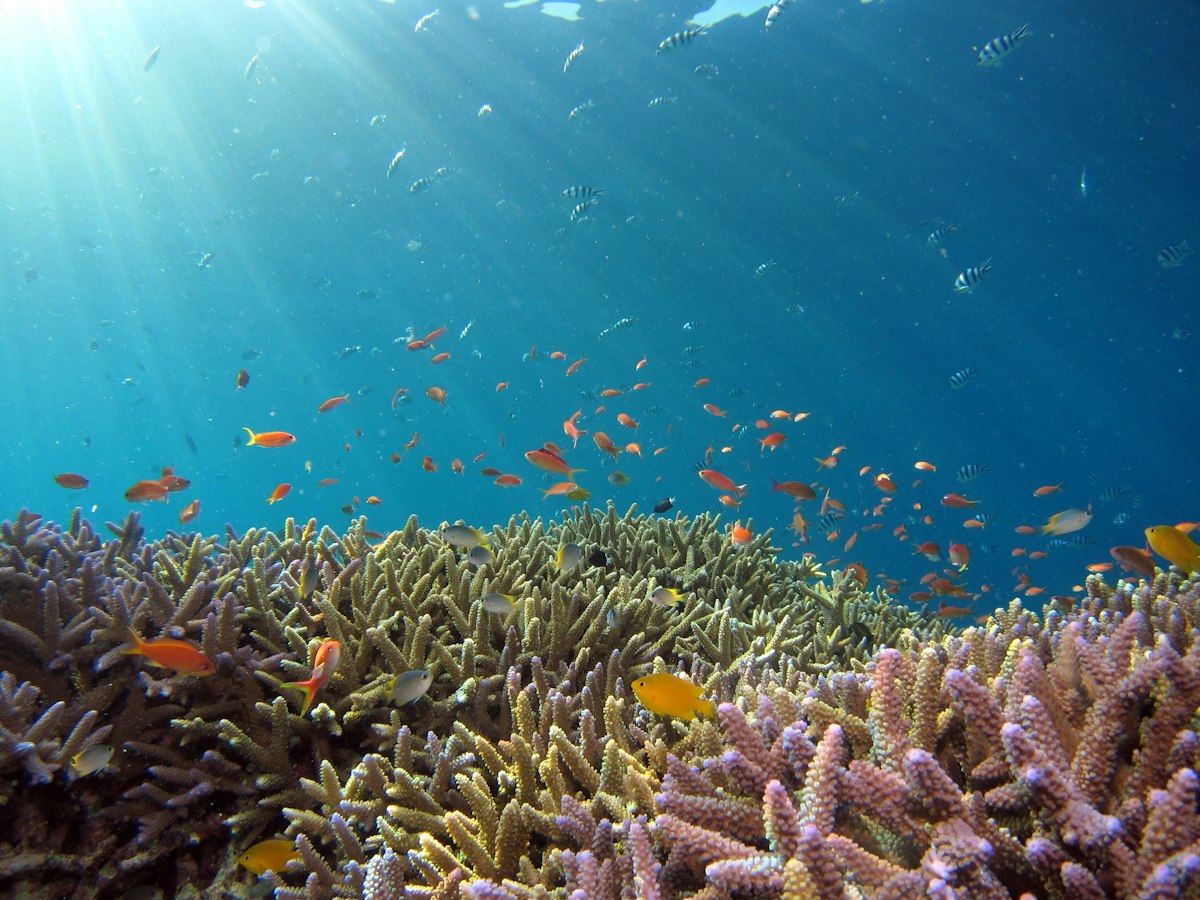
Today, that same section pulses with life. Schools of parrotfish weave between colonies that have grown to the size of dinner plates. A hawksbill turtle grazes unhurried. The coral's fluorescent colors — purple, green, orange — have returned.
"I've been doing this for 12 years," Chen says, pulling up her dive mask. "This site is different. The recovery rate is unlike anything I've documented."
The secret, the team believes, is in the genetics. TIDE's nurseries have spent four years selectively growing heat-tolerant coral strains — fragments collected from colonies that survived the bleaching events. These resilient corals, transplanted across 47 sites, are reshaping what's possible.
The data is extraordinary: 94% survival rate in year one. 340% faster growth than baseline restoration attempts. And perhaps most importantly — natural spawning. The reef is no longer just surviving. It's reproducing.